FROM DREDGED MATERIAL TO SUSTAINABLE INFRASTUCTURE
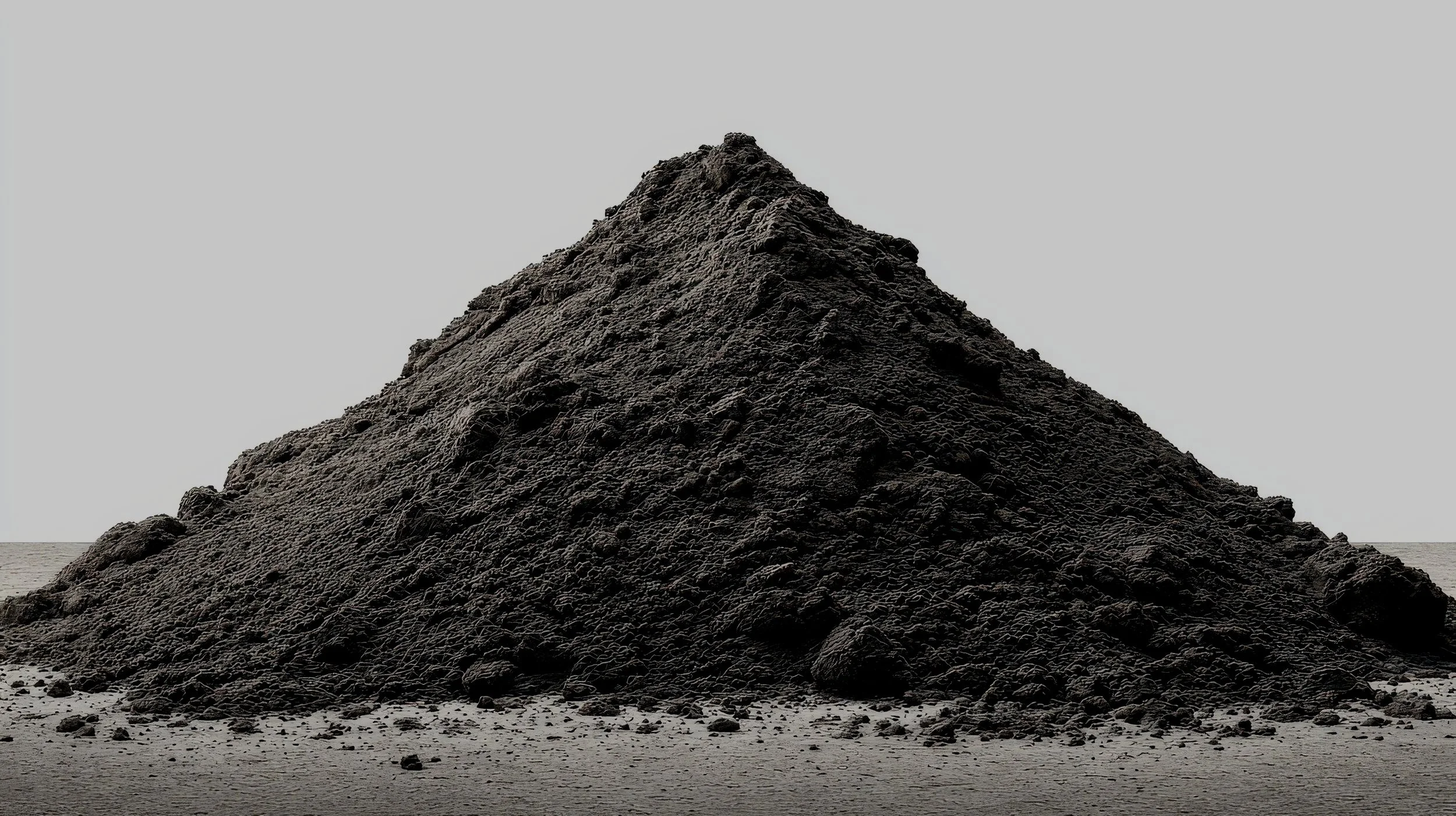
Turning dredged material into high-performance infrastructure is a controlled, multi-step process designed to ensure consistency, durability, and long-term performance. Each stage plays a critical role in transforming a managed waste stream into a valuable construction product.
RECOVER & PREPARE
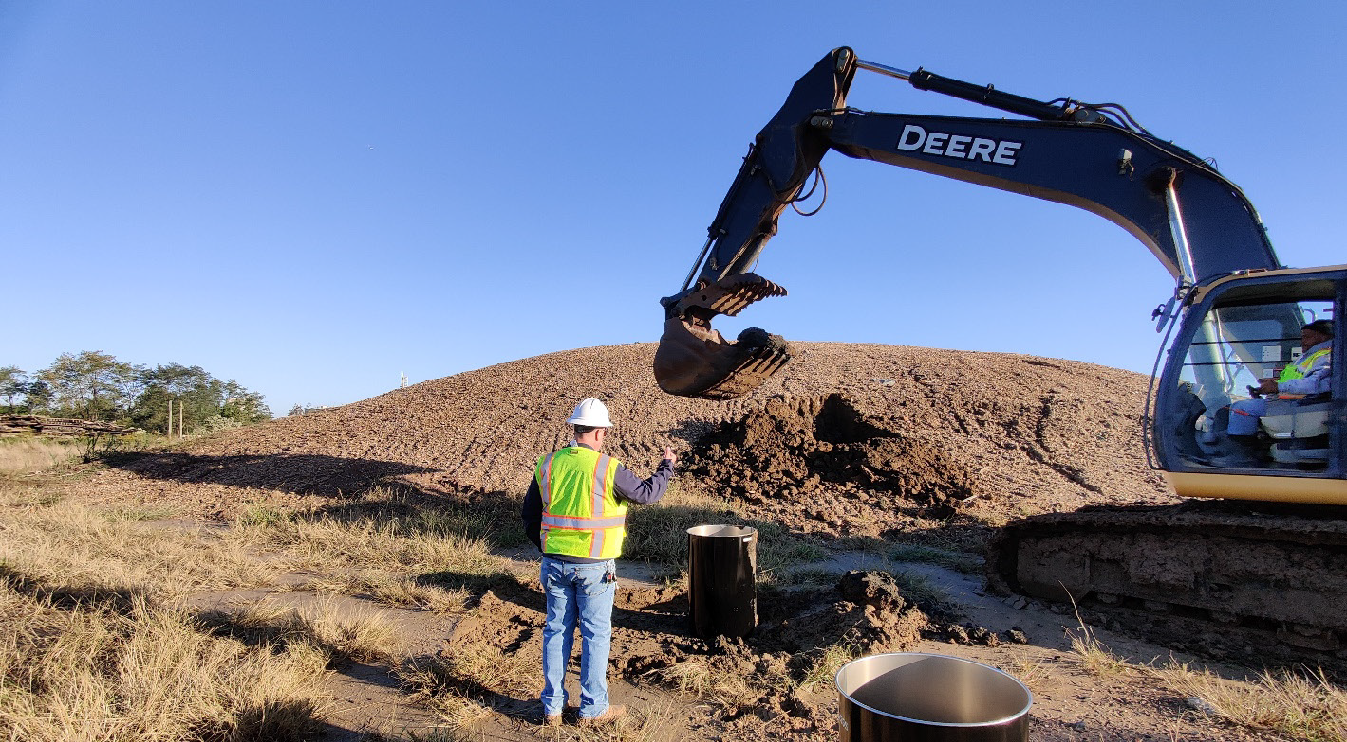
Reclaim dredged material from navigation channels and containment facilities, creating a usable resource while restoring valuable capacity.
Dredged material recovery operations at the Cox Creek Dredged Material Containment Facility in Anne Arundel County, Maryland.
REFINE & TREAT
Clean, screen, and condition the material to remove impurities and reduce salts—ensuring a consistent, high-quality feedstock.
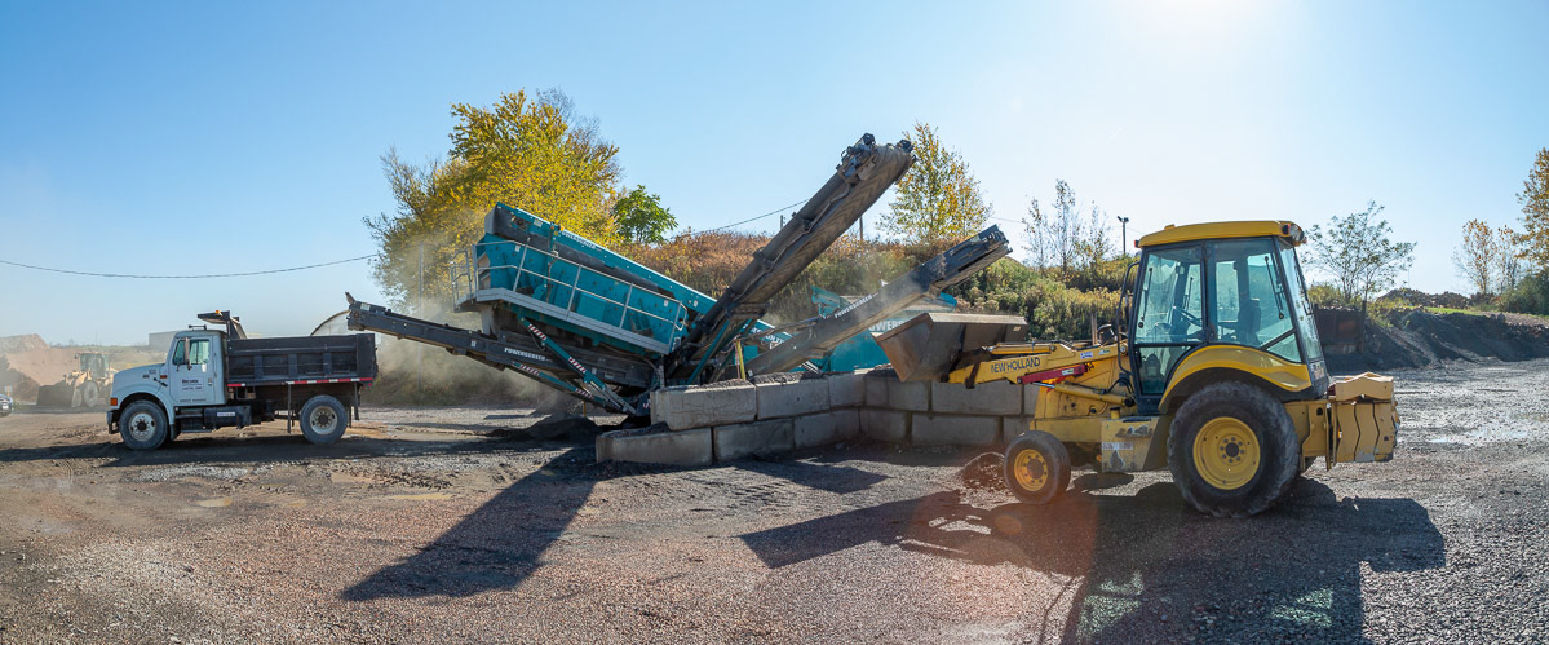
Screening dredged material to remove gravel and oversized debris prior to brick and paver production.
FORM THE PRODUCT
Shape the refined material into bricks and permeable pavers designed for durability, performance, and stormwater management.
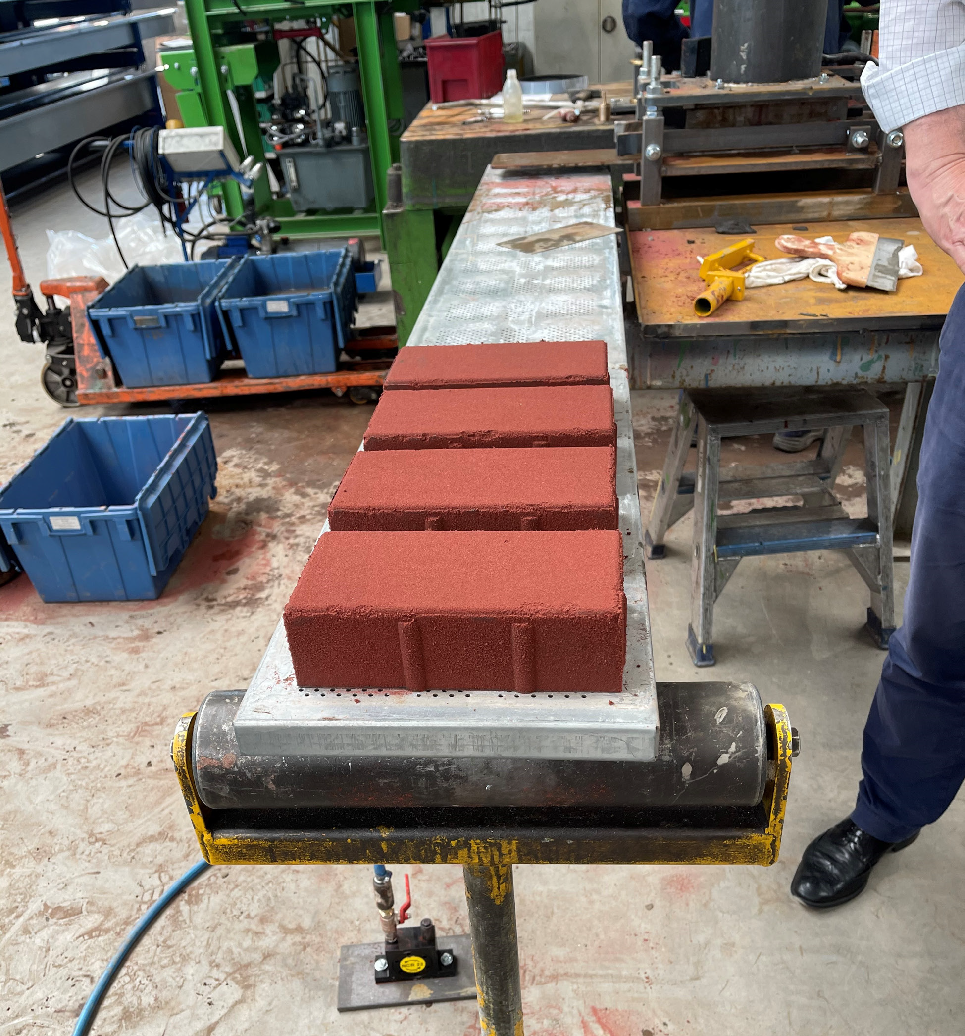
Permeable brick paver units following molding and drying prior to kiln firing.
FIRE FOR STRENGTH
Kiln-fire the material to create a durable construction product, with naturally occurring carbon helping reduce energy demand.
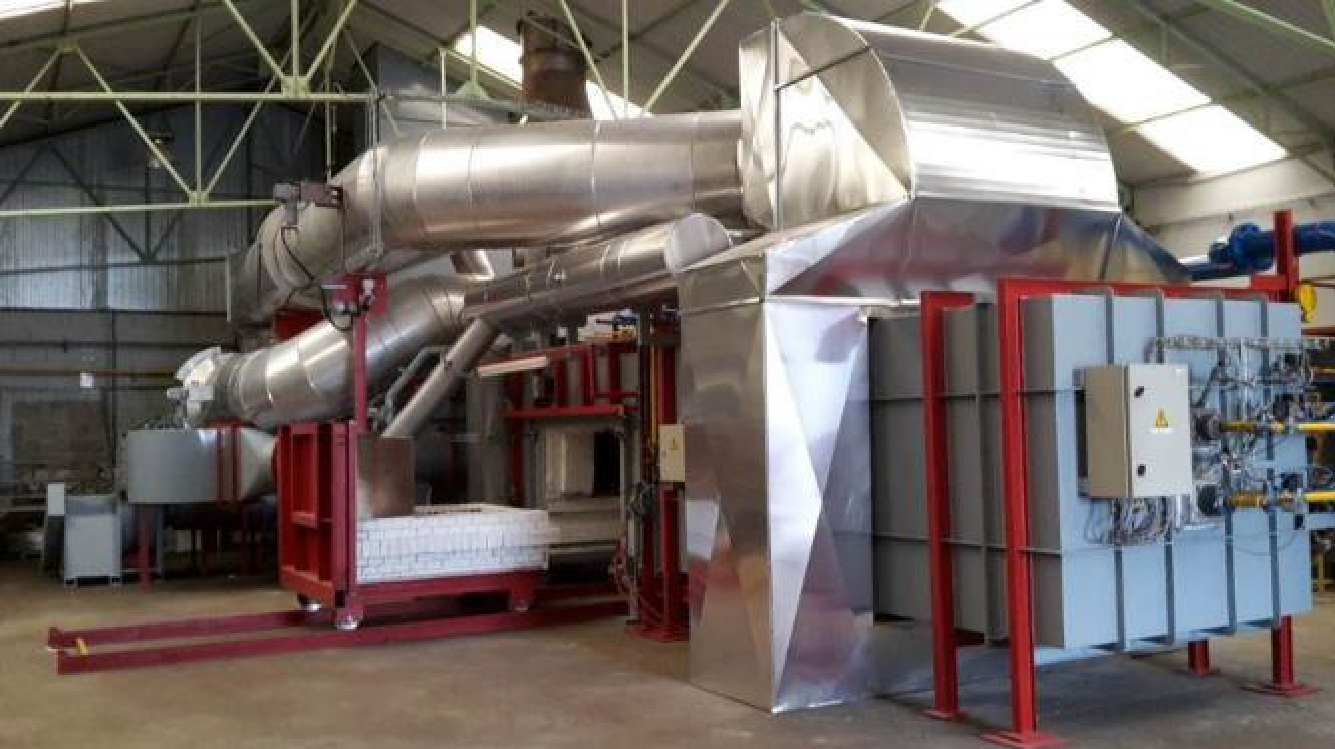
Brick and permeable paver products undergoing high-temperature firing in a gas-fired kiln
TEST & DELIVER
Verify performance through rigorous testing and deliver a market-ready product for infrastructure and community applications. Disclaimer: Not yet commercially available – currently in development.
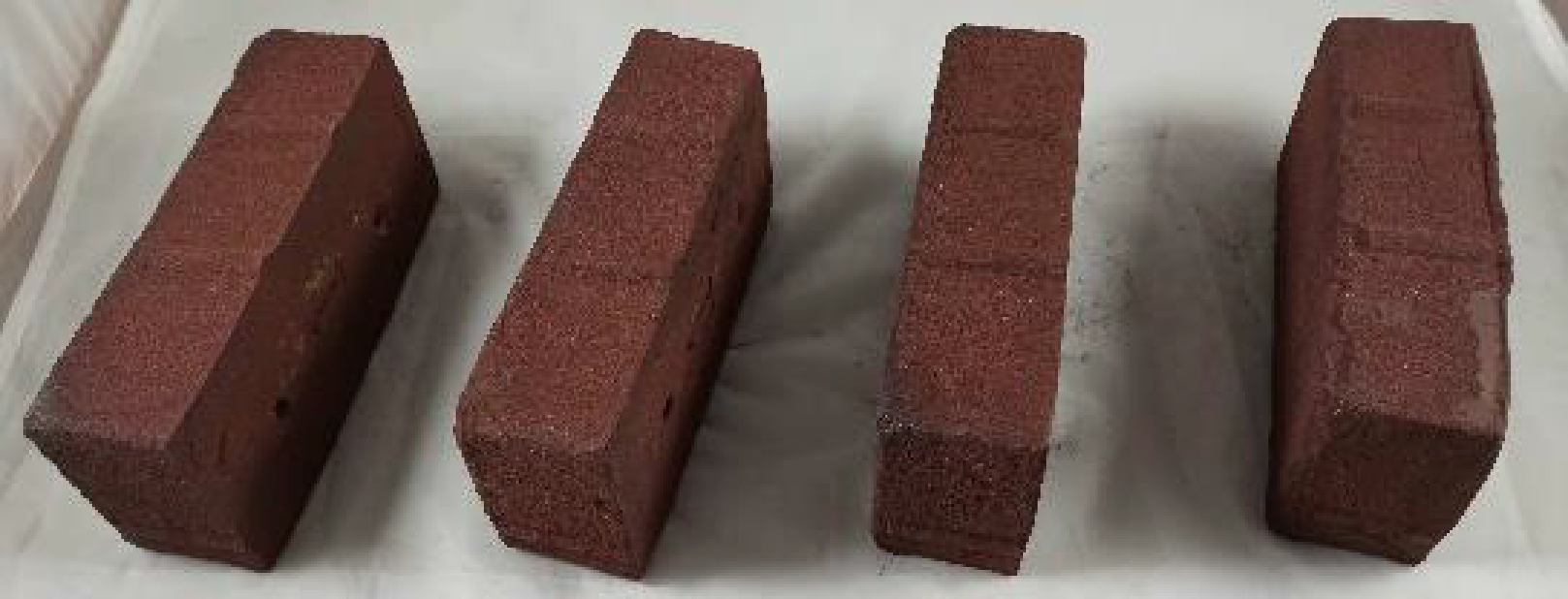
Finished permeable brick paver products prepared for final performance testing.
BUILT FOR ANY ENVIRONMENT

Chesapeake Bricks & Pavers are designed to perform in demanding outdoor environments – where durability, consistency, and long-term value matter most. Testing focused on the qualities that matter most for brick and paver use
Why Performance Matters
Strong performance isn’t just a lab result – it supports real outcomes on real sites:
Durability under daily use
Reliable long-term installation
Confidence for designers, contractors, and municipalities
A permeable surface that supports stormwater-smart design
Dredged material naturally contains organic carbon. During kiln firing, a portion of this carbon combusts and contributes heat to the process – helping reduce the amount of supplemental natural gas required for brick and paver production. Project modeling indicates this built-in energy contribution can reduce kiln natural gas demand by up to 40%, improving overall manufacturing efficiency.
Performance That’s Measured – Not Assumed
Testing focused on the qualities that matter most for brick and paver use:
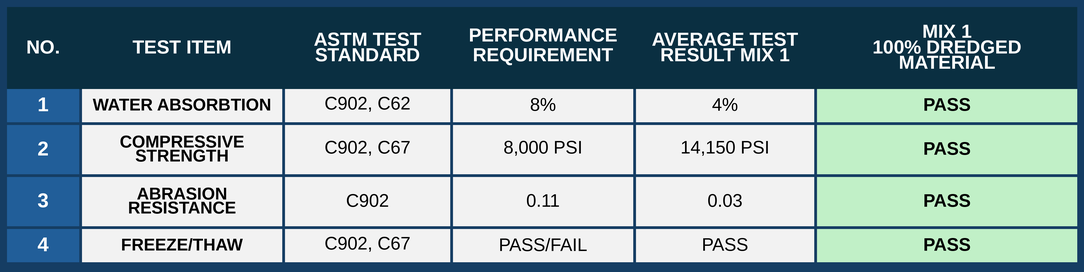
Pavers produced with dredged material achieved compressive strengths ranging from approximately 10,000 to 12,500 psi, exceeding the minimum requirement.
Strength
Measured absorption levels were approximately 5–7%, remaining below the maximum allowable limit.
Absorption
Testing confirmed the pavers met or exceeded performance expectations associated with the American Society for Testing and Materials (ASTM) requirements for pedestrian and traffic-rated pavers. This entity ensures quality, safety, and consistency in construction materials. ASTM assures good science and engineering. 35,000 members from 1,500 countries – 90% of the world’s population. ASTM builds consumer trust.
Standards Alignment
ASTM testing conducted as part of the Maryland Port Administration (MPA) evaluation demonstrated that dredged material can be successfully manufactured into brick and paver products that meet established industry performance standards. Testing included key measures such as compressive strength, absorption, and durability, confirming that the material performs comparably to traditional clay-based products when properly processed and fired.