

DESIGNED FOR COMMUNITIES, CAMPUSES, AND COMMERCIAL SPACES
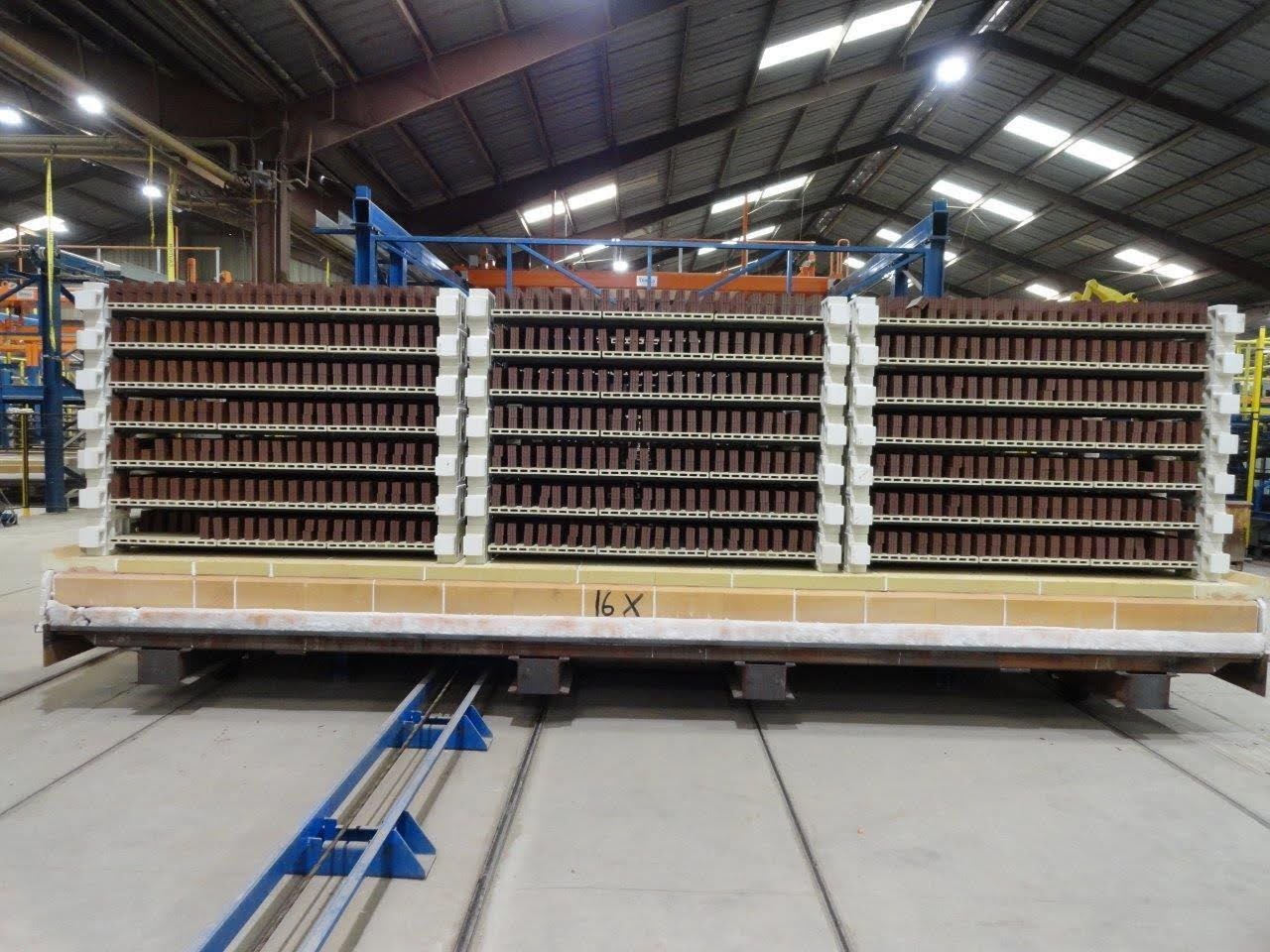
MOVING TOWARD COMMERICAL PRODUCTION
Integrity, creativity, and empathy shape the way we work. These aren't just words—they’re the foundation of everything we build. We believe in doing great work, building real relationships, and making it easy for you to get the results you’re looking for.
The Chesapeake Brick is engineered for projects where strength, durability, and water management matter most. It can be produced as permeable pavers for outdoor surfaces and also supports brick applications for vertical building markets.
Permeable pavers are designed to allow water to pass through the paved surface, helping reduce runoff and supporting groundwater recharge.
BRICK & PERMEABLE PAVER PRODUCTS BUILT FOR REAL-WORLD USE
THE CHESAPEAKE BRICK CAN BE USED ACROSS A WIDE RANGE OF PROJECTS
-

Sidewalks and Pedestrian Walkways
-

Plaza and Public Gatherings
-

Parking Areas and Streetscapes
-

Vertical Structures and Architectural Appliations
-
Photos courtesy of The Belden Brick Company
WHAT MAKES CHESAPEAKE BRICK DIFFERENT
Market-Competitive Pricing
Project modeling indicates the Chesapeake Brick and pavers, made by reusing dredged material, may be sold at equal to or less than traditional clay and shale pavers – making sustainability accessible at scale.
Versatile Across Vertical + Horizontal Markets
The facility and process can support permeable pavers as well as residential and architectural face brick – providing flexibility for different project types and market needs.
Made from Beneficially Reused Dredged Material
Instead of treating dredged material as waste, the Chesapeake Brick turns it into a valuable construction product – supporting circular reuse and reducing reliance on disposal.
Permeable by Design
The permeable pavers support stormwater-smart infrastructure by helping reduce runoff and supporting groundwater recharge.
Proven Strength and Durability
Testing results show bricks and pavers made with dredged material achieved compressive strengths above minimum requirements and absorption within acceptable limits.