

BENEFITS THAT GO BEYOND THE BRICK
The Chesapeake Bricks & Pavers solution connects dredged material recovery, advanced manufacturing, and long-term sustainability into one continuous, value-driven process. Each stage delivers meaningful environmental, operational, and community benefits working together to create a more resilient and sustainable future.
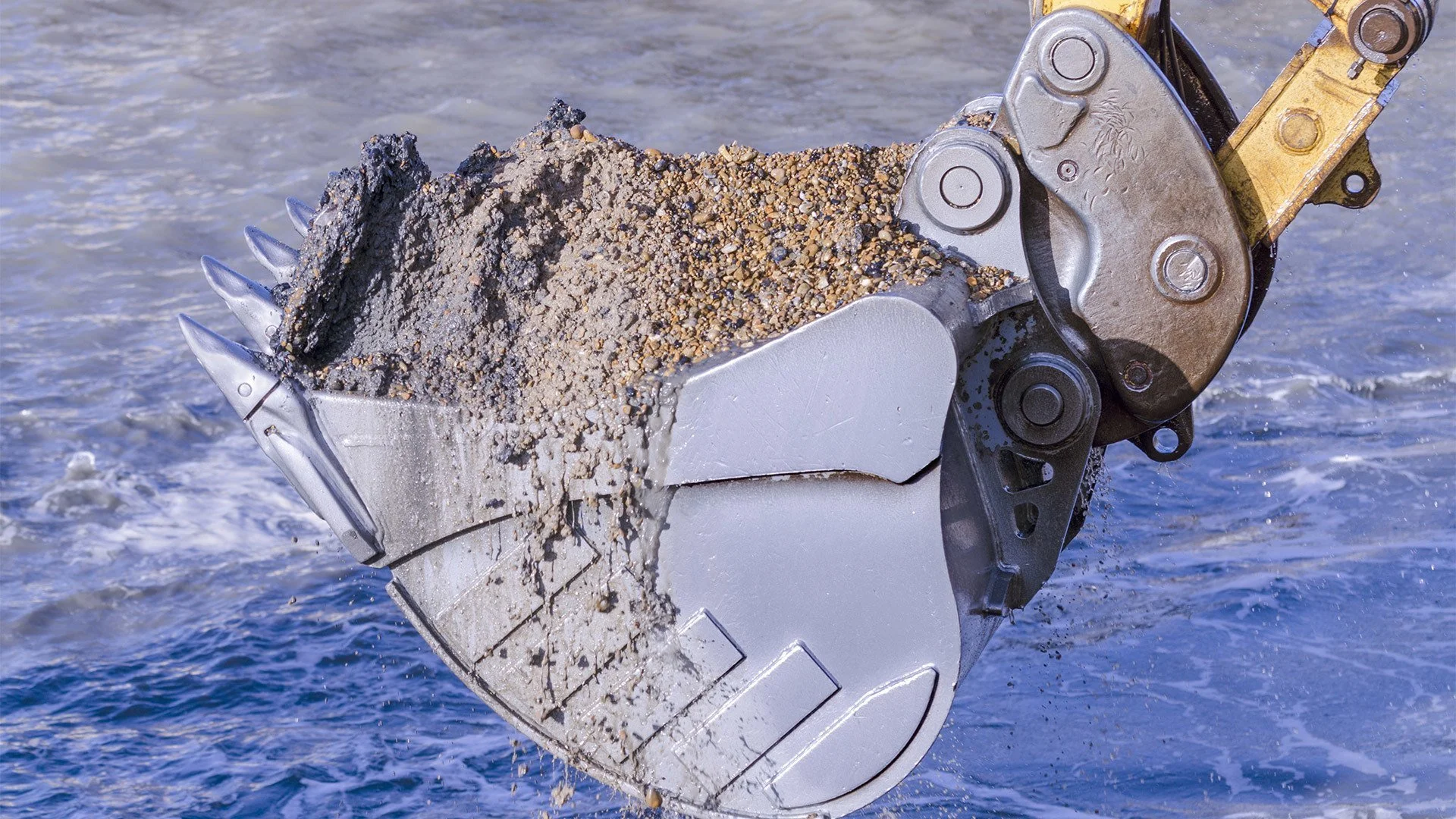
Dredged Material Recovery: Turning a Management Challenge into Opportunity
Dredged material is essential to maintaining navigation channels, but it also requires long-term placement and management. By recovering material from dredged material containment facilities, this solution helps restore valuable capacity and extend the operational life of these critical sites.
Instead of relying solely on containment, dredged material is redirected into productive use – reducing pressure on existing facilities and supporting a more sustainable, circular approach to sediment management. This stage plays a key role in helping meet long-term dredging demands while minimizing the need for new containment capacity.
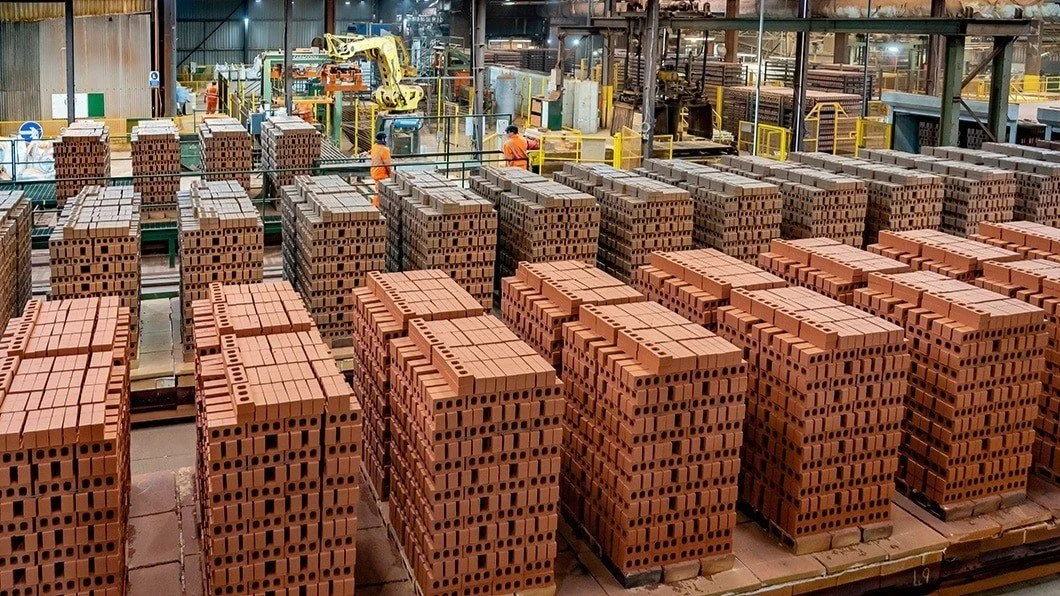
Production of Bricks and Permeable Pavers: Converting Recovered Material into High-Performance Infrastructure
Recovered dredged material is transformed into durable brick and permeable paver products through a controlled manufacturing process designed for consistency and performance. This approach reduces reliance on virgin raw materials while creating a market-ready construction product that meets industry standards.
Permeable pavers provide an added benefit by allowing stormwater to infiltrate through the surface, helping reduce runoff and filter pollutants before they reach local waterways. At the same time, the natural organic carbon in dredged material contributes energy during kiln firing, improving manufacturing efficiency and reducing fuel demand.

Long-Term Sustainability: Delivering Lasting Environmental and Community Value
By linking dredged material recovery with scalable end uses, this solution supports long-term sustainability at multiple levels. It helps maintain dredging capacity, supports Chesapeake Bay restoration efforts, and contributes to more resilient infrastructure systems.
The result is a practical, high-volume reuse pathway that reduces environmental impacts, supports local economic development, and aligns with state and federal goals for beneficial use. As recovery efforts scale, this approach provides a reliable way to turn dredged material into lasting value for communities and the environment.